-
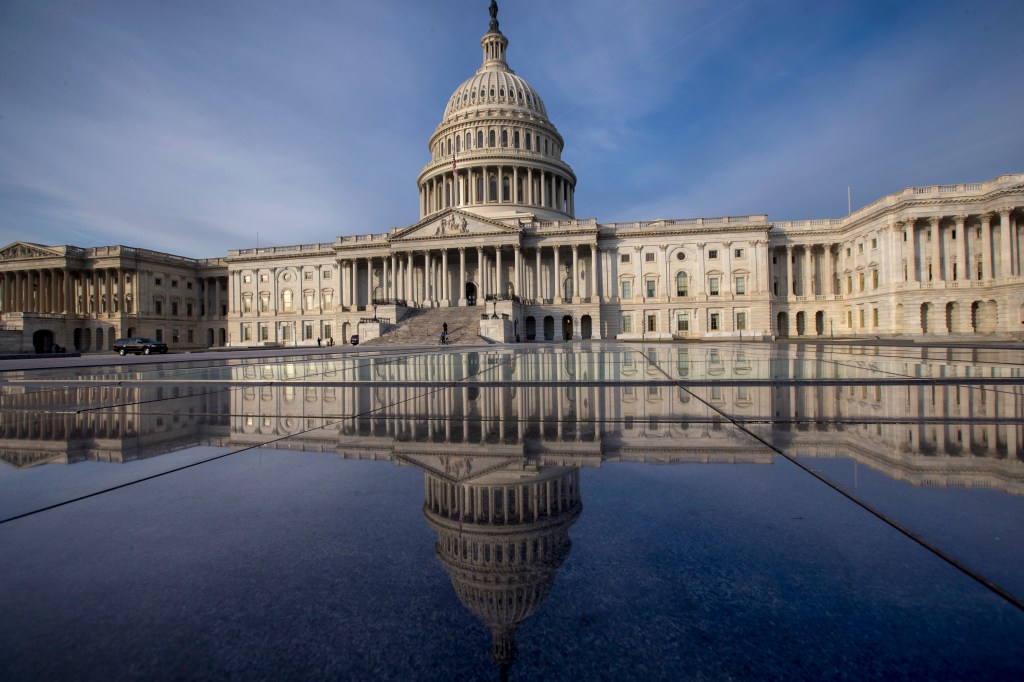
Cybersecurity firm: US Senate in Russian hackers’ crosshairs
Fancy Bear, the group whose hacking campaign scrambled the 2016 U.S. electoral contest, is “still very active — in making preparations at least — to influence public opinion again,” said Feike Hacquebord, a security researcher at Trend Micro Inc., which published the report. “They are looking for information they might leak later.”
-
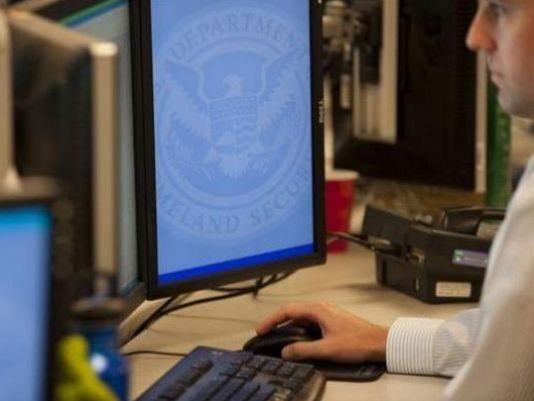
DHS employee information exposed in unauthorized data transfer
On Jan. 3, 2018, the Department of Homeland Security sent letters to some 247,167 current and former agency employees, notifying them that their personal information had been exposed in an unauthorized data transfer conducted by a former employee.
-

Alexa, does the US lead in military AI?
The new National Security Strategy identifies artificial intelligence as an emerging technology “critical to economic growth and security,” critical to self-driving cars and autonomous weapons.
-

Report: Most agencies vulnerable to phishing
Nearly half of agency email domains have adopted policies to collect data on unauthorized emails as mandated by an Oct. 16, 2017, Department of Homeland Security directive.
-

Among Pentagon’s New Year’s resolutions: more cyber
Patrick Shanahan, the deputy secretary of defense, said part of his focus for the new year will be making sure the Pentagon’s cybersecurity is up to snuff.
-

FERC proposes rule to expand cyber incident reporting
The Federal Energy Regulatory Commission wants to expand cyber incident reporting requirements to include any time an adversary attempts to break into an energy company’s networks, rather than only those that compromise the company’s critical operations.
-

New legislation promotes more accessible on-the-go government
On Dec. 22 the Senate passed the Connected Government Act, a bipartisan bill that would require the Office of Management and Budget to report on agency websites’ compliance with mobile usability.
-

Trump, take note: Library of Congress to trim Twitter archive
The Library of Congress has decided to change its strategy for collecting and preserving tweets for posterity by switching to a more event-based strategy that collects around elections or issues of ongoing national interest.
-
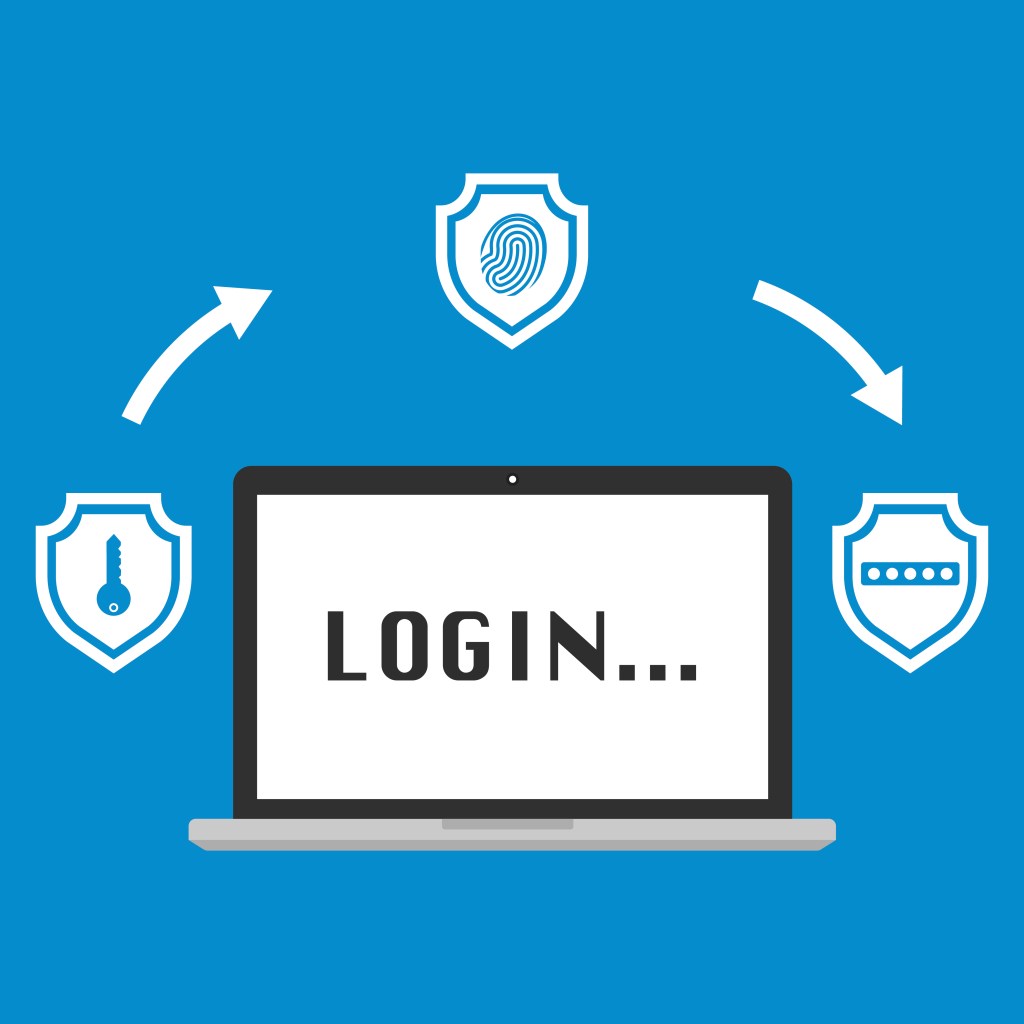
GSA releases contract for login.gov
The domain aims to provide the public with “secure and private online access to participating government programs” through a single account.
-
Cybersecurity firm: US Senate in Russian hackers’ crosshairs
Fancy Bear, the group whose hacking campaign scrambled the 2016 U.S. electoral contest, is “still very active — in making preparations at least — to influence public opinion again,” said Feike Hacquebord, a security researcher at Trend Micro Inc., which published the report. “They are looking for information they might leak later.”
-
DHS employee information exposed in unauthorized data transfer
On Jan. 3, 2018, the Department of Homeland Security sent letters to some 247,167 current and former agency employees, notifying them that their personal information had been exposed in an unauthorized data transfer conducted by a former employee.
-
Alexa, does the US lead in military AI?
The new National Security Strategy identifies artificial intelligence as an emerging technology “critical to economic growth and security,” critical to self-driving cars and autonomous weapons.
-
Report: Most agencies vulnerable to phishing
Nearly half of agency email domains have adopted policies to collect data on unauthorized emails as mandated by an Oct. 16, 2017, Department of Homeland Security directive.
-
Among Pentagon’s New Year’s resolutions: more cyber
Patrick Shanahan, the deputy secretary of defense, said part of his focus for the new year will be making sure the Pentagon’s cybersecurity is up to snuff.
-
FERC proposes rule to expand cyber incident reporting
The Federal Energy Regulatory Commission wants to expand cyber incident reporting requirements to include any time an adversary attempts to break into an energy company’s networks, rather than only those that compromise the company’s critical operations.
-
New legislation promotes more accessible on-the-go government
On Dec. 22 the Senate passed the Connected Government Act, a bipartisan bill that would require the Office of Management and Budget to report on agency websites’ compliance with mobile usability.
-
Trump, take note: Library of Congress to trim Twitter archive
The Library of Congress has decided to change its strategy for collecting and preserving tweets for posterity by switching to a more event-based strategy that collects around elections or issues of ongoing national interest.
-
GSA releases contract for login.gov
The domain aims to provide the public with “secure and private online access to participating government programs” through a single account.
-
Cybersecurity firm: US Senate in Russian hackers’ crosshairs
Fancy Bear, the group whose hacking campaign scrambled the 2016 U.S. electoral contest, is “still very active — in making preparations at least — to influence public opinion again,” said Feike Hacquebord, a security researcher at Trend Micro Inc., which published the report. “They are looking for information they might leak later.”
-
DHS employee information exposed in unauthorized data transfer
On Jan. 3, 2018, the Department of Homeland Security sent letters to some 247,167 current and former agency employees, notifying them that their personal information had been exposed in an unauthorized data transfer conducted by a former employee.
-
Alexa, does the US lead in military AI?
The new National Security Strategy identifies artificial intelligence as an emerging technology “critical to economic growth and security,” critical to self-driving cars and autonomous weapons.
-
Report: Most agencies vulnerable to phishing
Nearly half of agency email domains have adopted policies to collect data on unauthorized emails as mandated by an Oct. 16, 2017, Department of Homeland Security directive.
-
Among Pentagon’s New Year’s resolutions: more cyber
Patrick Shanahan, the deputy secretary of defense, said part of his focus for the new year will be making sure the Pentagon’s cybersecurity is up to snuff.
-
FERC proposes rule to expand cyber incident reporting
The Federal Energy Regulatory Commission wants to expand cyber incident reporting requirements to include any time an adversary attempts to break into an energy company’s networks, rather than only those that compromise the company’s critical operations.
-
New legislation promotes more accessible on-the-go government
On Dec. 22 the Senate passed the Connected Government Act, a bipartisan bill that would require the Office of Management and Budget to report on agency websites’ compliance with mobile usability.
-
Trump, take note: Library of Congress to trim Twitter archive
The Library of Congress has decided to change its strategy for collecting and preserving tweets for posterity by switching to a more event-based strategy that collects around elections or issues of ongoing national interest.
-
GSA releases contract for login.gov
The domain aims to provide the public with “secure and private online access to participating government programs” through a single account.