-
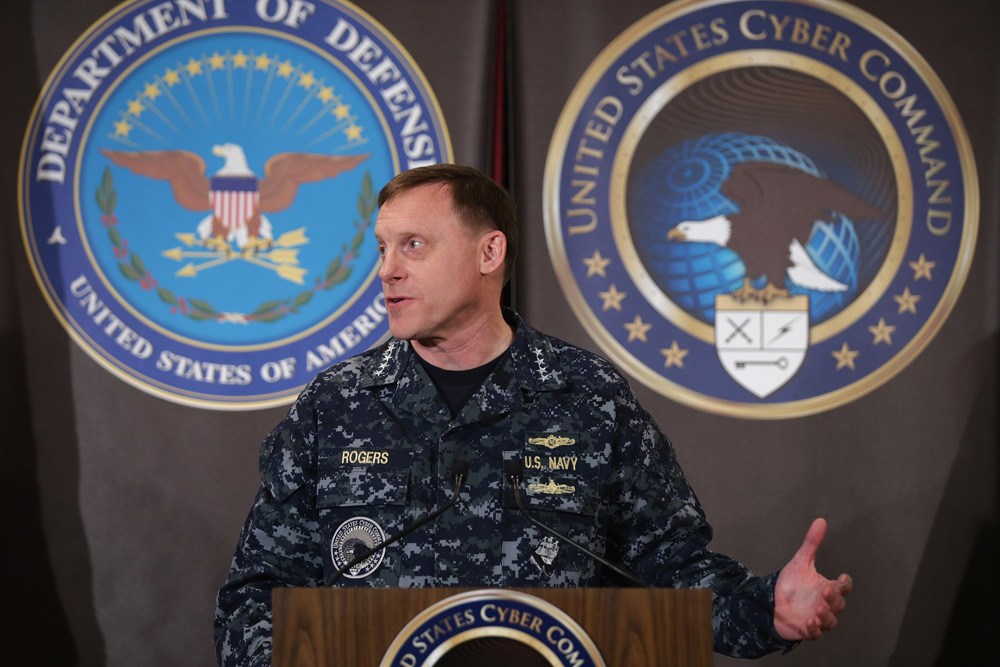
Cyber Command granted new, expanded authorities
With the elevation of Cyber Command comes additional authorities for its commander, such as the ability to synchronize forces globally.
-
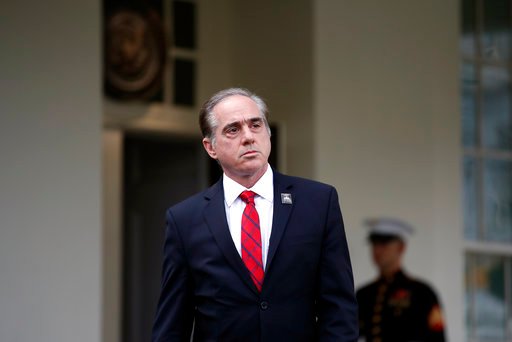
VA inspector general finds no evidence of computer hacking in travel scandal
Investigators found only minor security concerns with VA emails unrelated to the travel scandal that took place last July.
-
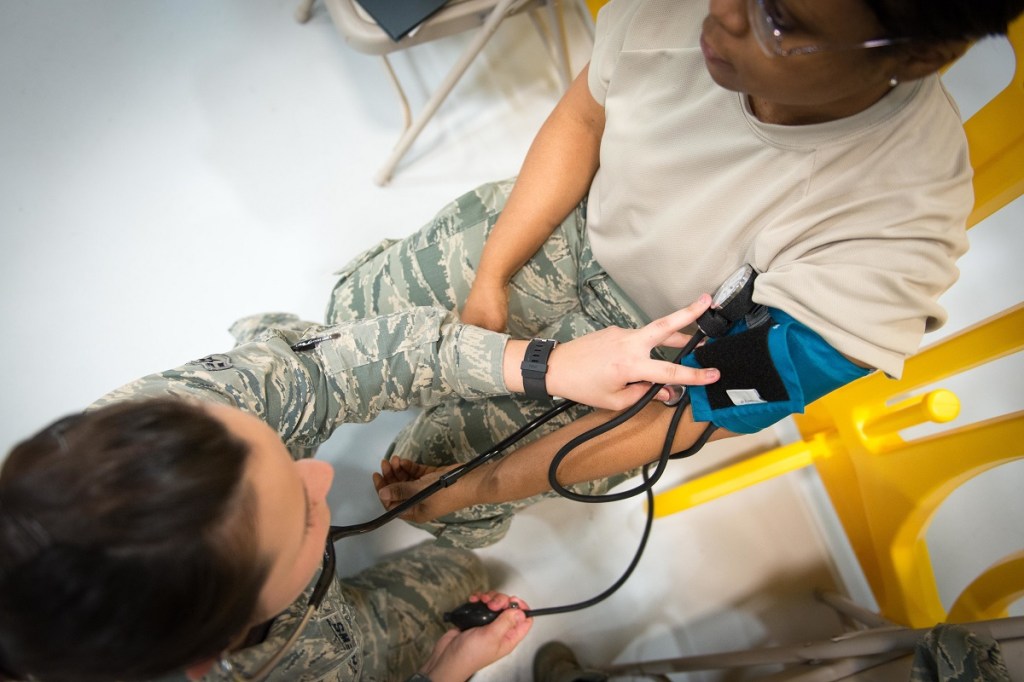
Officials say new military health records plan on track, already showing results
Officials involved in the roll out of the new system insist it is still on track for full completion by 2022.
-
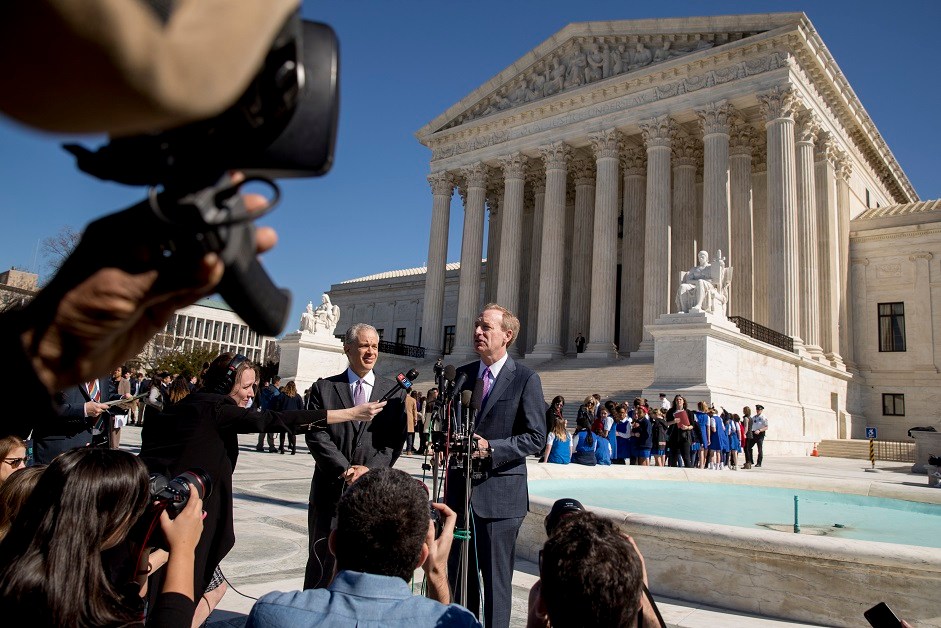
Justices look at how older law applies to internet cloud
The justices heard arguments in a dispute between the Trump administration and Microsoft Corp. over a warrant for emails stored in the internet cloud outside the United States.
-

How agencies can request funds to replace legacy IT systems
Though the fund established by the Modernizing Government Technology Act is currently empty, the White House is encouraging agencies to begin submitting project proposals that could use the money.
-
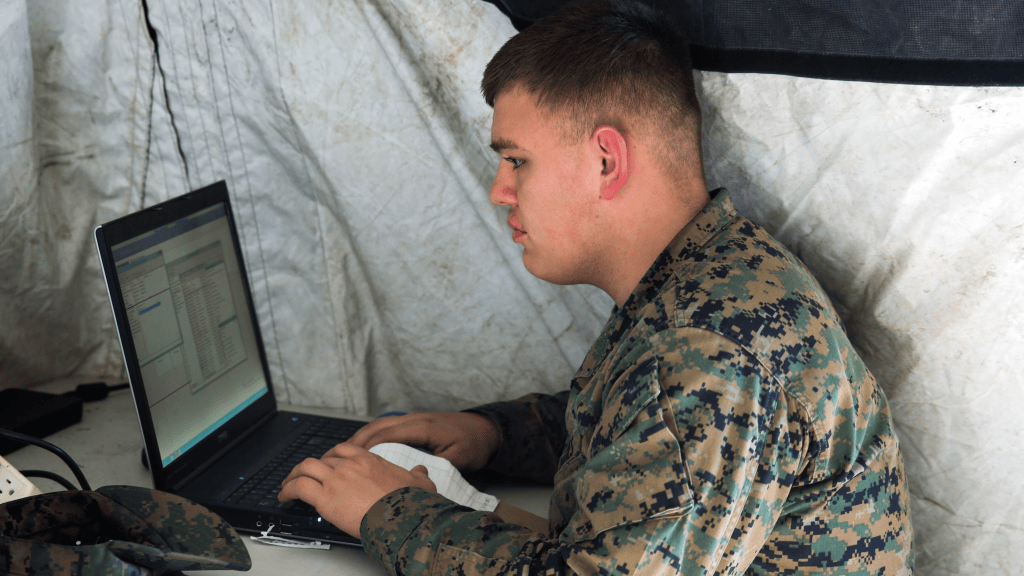
How ship design can improve the Marine Corps’ networks
The Marine Corps has begun to roll out a “planning yard,” a new management methodology to apply consistent rules to the design of critical systems.
-

Feds, allow social media to self-regulate
What will silence those that attempt to manipulate social media is not regulation, but the users themselves.
-

DoD is migrating to Windows 10 and it will probably stick around forever
Expect to see Windows 10 kicking around on Pentagon computers for a long, long time.
-
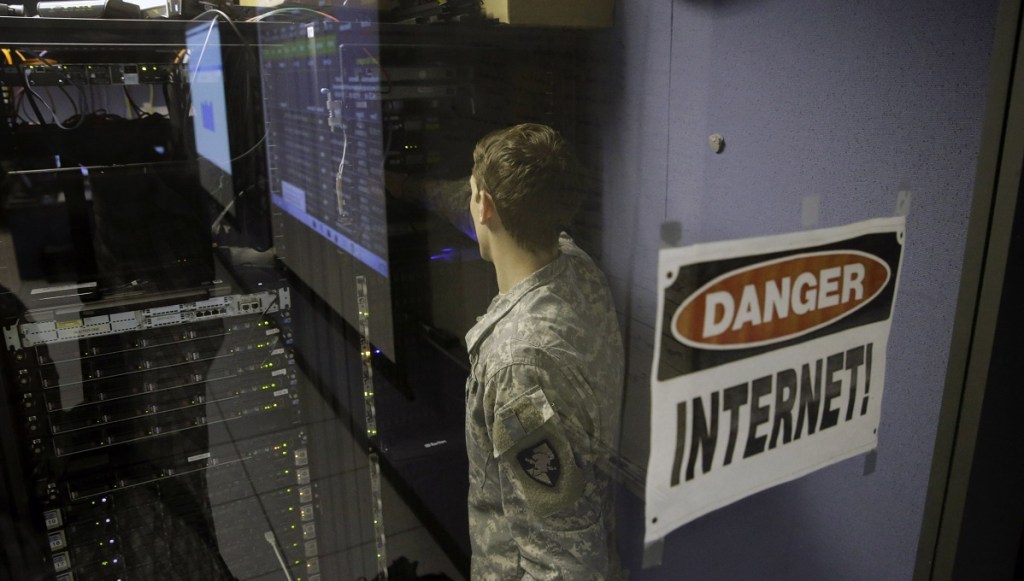
DoD’s secret weapon against election meddling: its reputation
According to experts, convincing the public to be on the lookout for Russian cyber operations will require leveraging the people’s trust in the military.
-
Cyber Command granted new, expanded authorities
With the elevation of Cyber Command comes additional authorities for its commander, such as the ability to synchronize forces globally.
-
VA inspector general finds no evidence of computer hacking in travel scandal
Investigators found only minor security concerns with VA emails unrelated to the travel scandal that took place last July.
-
Officials say new military health records plan on track, already showing results
Officials involved in the roll out of the new system insist it is still on track for full completion by 2022.
-
Justices look at how older law applies to internet cloud
The justices heard arguments in a dispute between the Trump administration and Microsoft Corp. over a warrant for emails stored in the internet cloud outside the United States.
-
How agencies can request funds to replace legacy IT systems
Though the fund established by the Modernizing Government Technology Act is currently empty, the White House is encouraging agencies to begin submitting project proposals that could use the money.
-
How ship design can improve the Marine Corps’ networks
The Marine Corps has begun to roll out a “planning yard,” a new management methodology to apply consistent rules to the design of critical systems.
-
Feds, allow social media to self-regulate
What will silence those that attempt to manipulate social media is not regulation, but the users themselves.
-
DoD is migrating to Windows 10 and it will probably stick around forever
Expect to see Windows 10 kicking around on Pentagon computers for a long, long time.
-
DoD’s secret weapon against election meddling: its reputation
According to experts, convincing the public to be on the lookout for Russian cyber operations will require leveraging the people’s trust in the military.