-
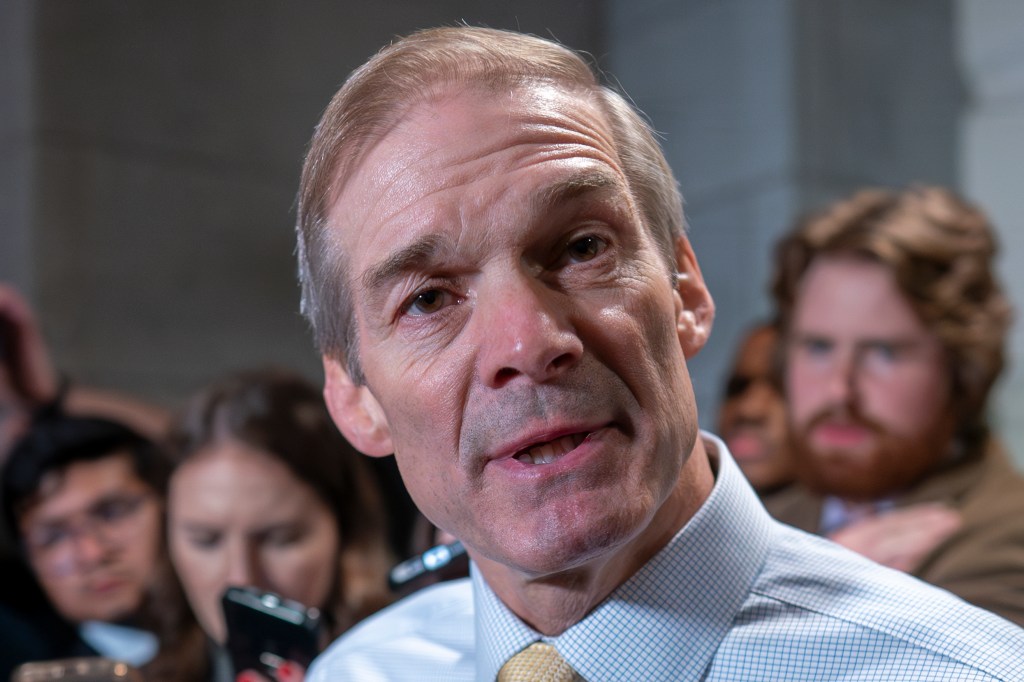
Jordan urges colleagues to elect him House speaker ahead of third vote
“The American people are hungry for change,” Jordan said in a news conference at the Capitol Friday.
-
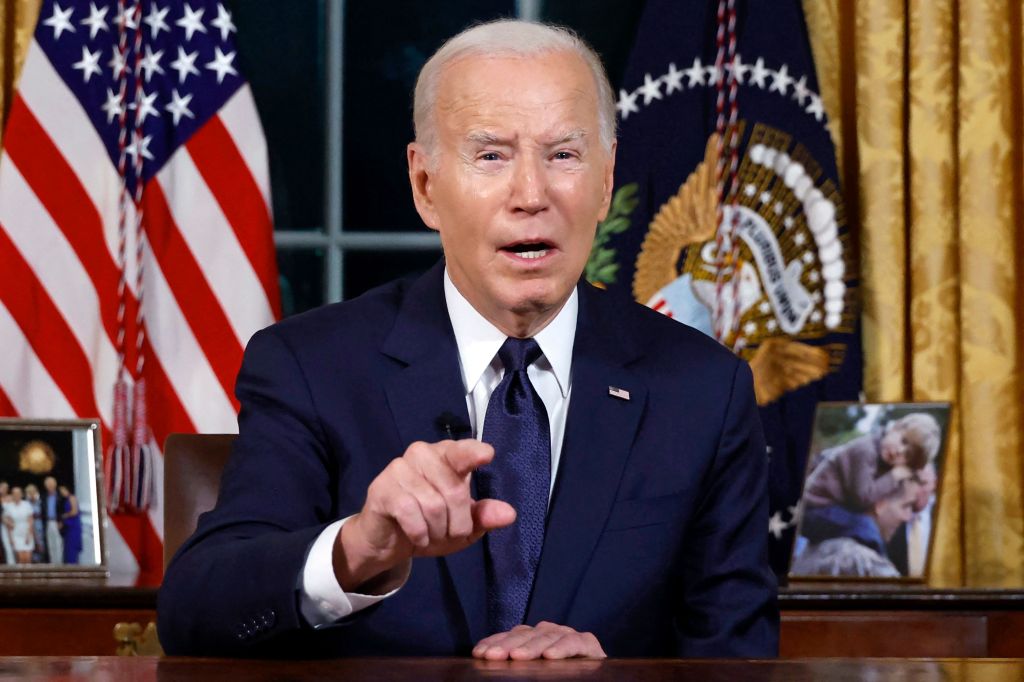
Biden asks Congress for Israel, Ukraine aid in giant defense package
President Biden intends to ask Congress for nearly $100 billion in military aid to Ukraine and Israel amid heightened tensions throughout the Middle East.

Congress
Keep up with the House and Senate government oversight committees as they keep an eye on federal operations.
-

Senate confirms Paparo as new INDOPACOM commander
The move came without objection in a voice vote late Wednesday night.
-

NY Senate pushes bills upping punishments for cyberterrorism
The state Senate has passed dual bills aimed at preventing cyberattacks and terrorism at international business and commerce centers like New York City.
-
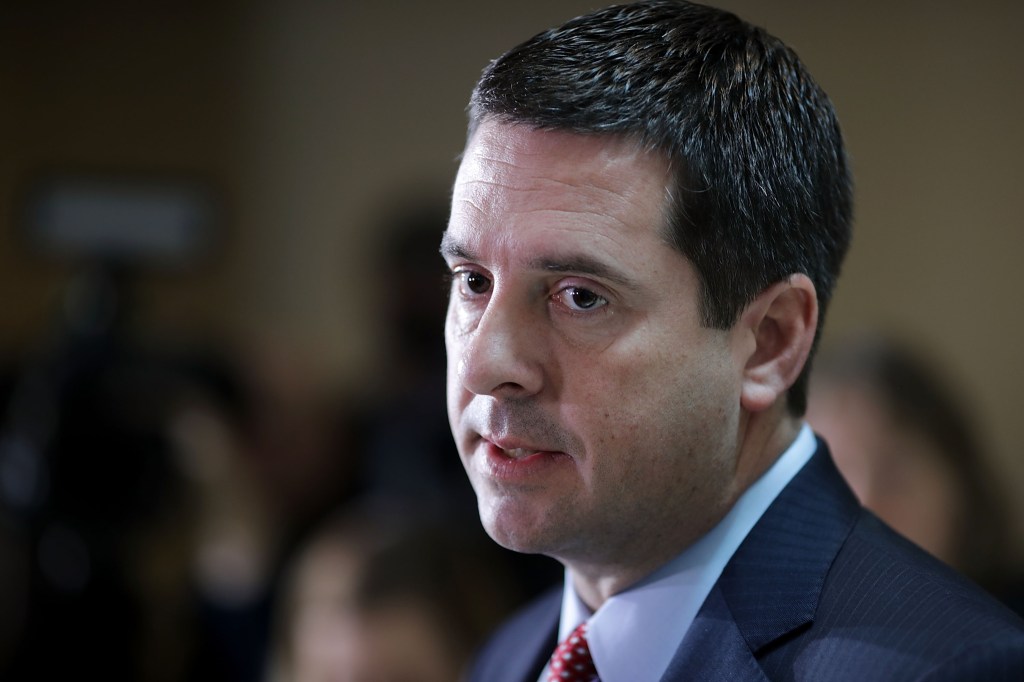
4 questions set scope of House Intel Committee’s Russia investigation
The four points of inquiry in the committees probe represent a bipartisan compromise, after Ranking Member Schiff openly criticized Nunes for his determination that intelligence would not show connections between Russia and Trumps campaign.
-
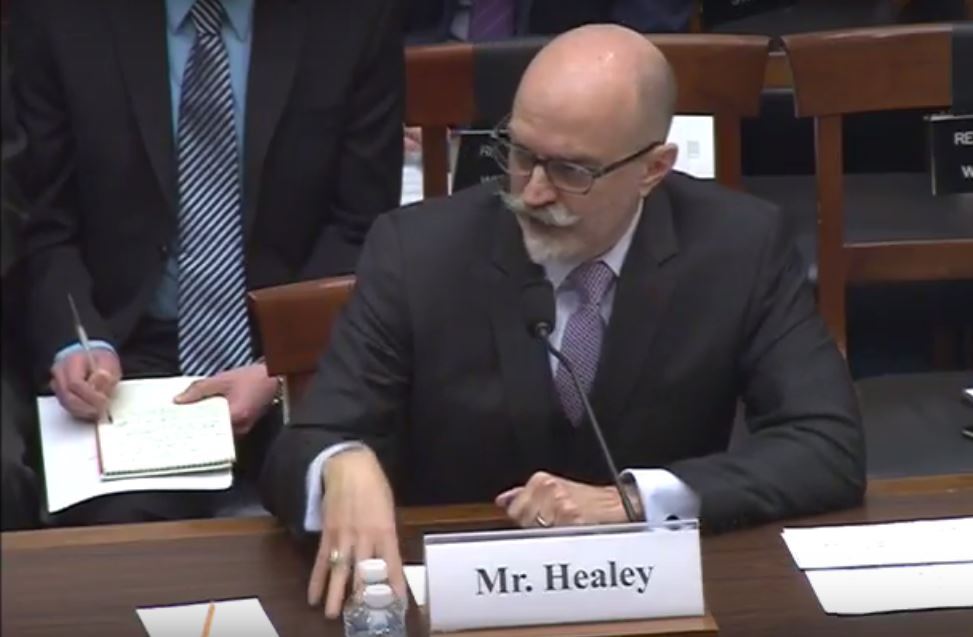
House hearing gives glimpse into cyberwar threats, challenges, opportunities
Cyber continues to be a domain of warfare in which there are more questions than answers and in which defining the specific problems is as tricky as finding the solutions will prove to be.
-

DNI nominee puts cyberwarfare at top of threat list
President Donald Trump’s nominee to be the nation’s top spy chief, former GOP Sen. Dan Coats, said cyberwar will be one of the top threats facing the U.S. in the years to come, along with terrorism.
-
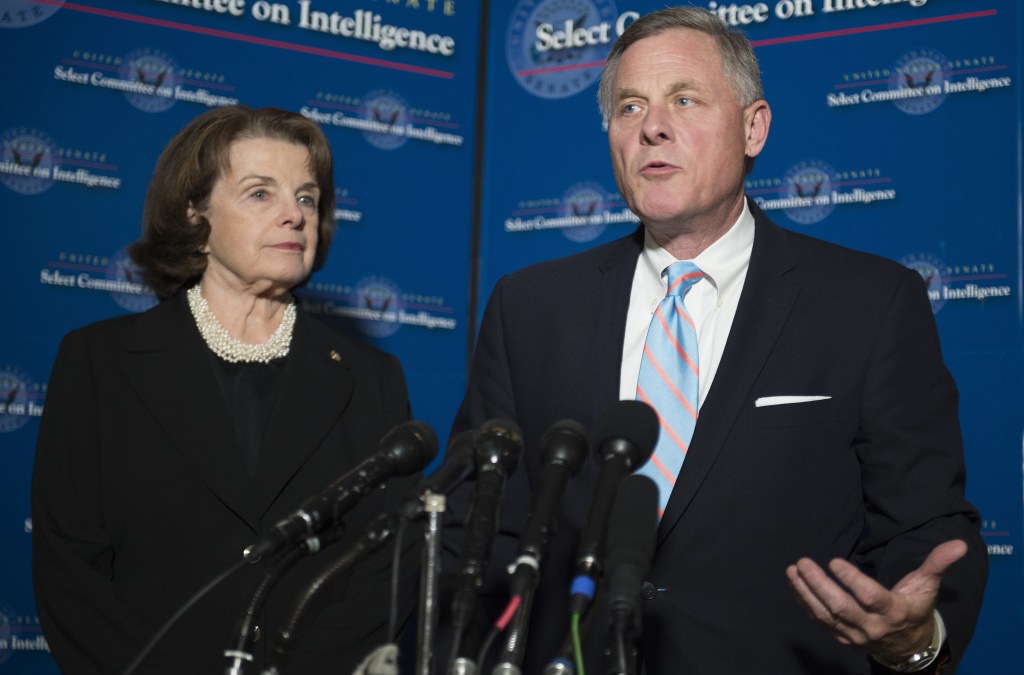
State of encryption, part II: Policy limbo
Part I explored legal issues and the implications of recent cases on encryption. Part II surveys recent developments in and the current state of encryption technology and policy.
-
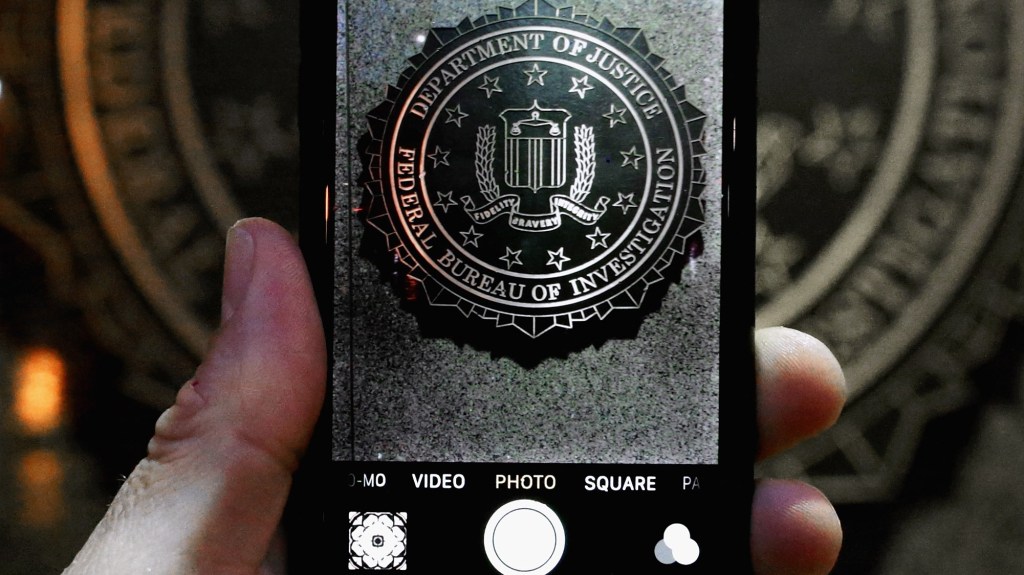
State of encryption, part I: Cryptic laws
The past year has seen significant developments in encryption technology, policy and legal cases. With a new presidential administration and Congress, its timely to consider the current state of encryption and what the future could hold.
-

Options for incentivizing private-sector cybersecurity
Cybersecurity is a unique policy challenge because over 80 percent of U.S. information technology infrastructure is owned and operated by private entities, according to former CIA Director John Brennan. Yet cybersecurity vulnerabilities in these systems, networks and products could have national security implications.
-

Should cybersecurity be a human right?
Having access to the internet is increasingly considered to be an emerging human right. The next step to help ensure some measure of cyber peace online may be for cybersecurity to be recognized as a human right, too.
-
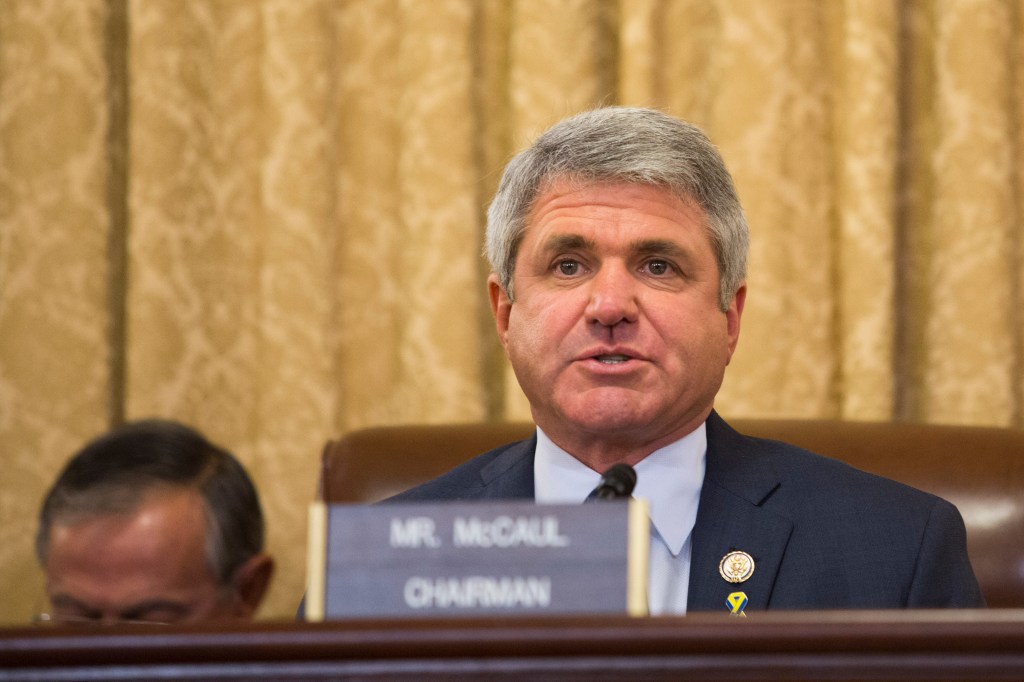
McCaul calls for ‘red lines’ on political hacking
Cyberattacks against the U.S., particularly domestic Democratic institutions, are a “red line we should not allow anyone to cross,” Rep. Michael McCaul, chairman of the House Homeland Security Committee, told the crowd at the 2017 RSA Conference in San Francisco.
-
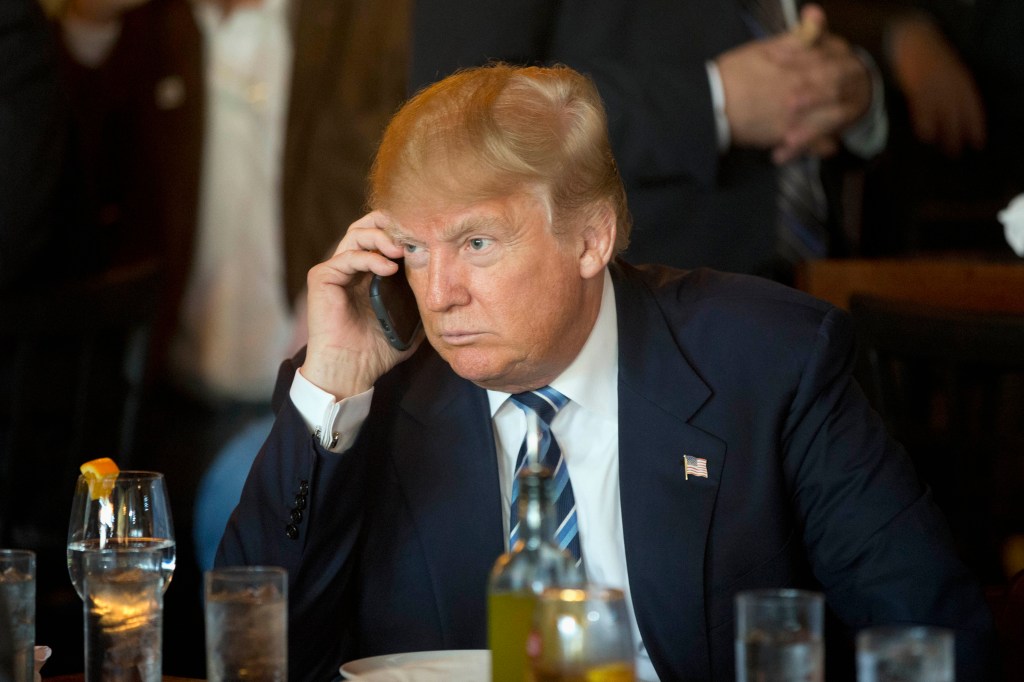
Concerns over Trump’s alleged use of personal, unsecured smartphone
Two senators on the Senate Committee on Homeland Security and Governmental Affairs have requested that the Department of Defense provide information on what is being done to secure and preserve presidential communications reportedly made from an unapproved device at risk to hacking.